Vinara Vinara Lyrics English Translation
| Album | Sing Geetham |
| Lyricist | Sri Mani |
| Music | Devi Sri Prasad |
| Singer(s) | Sinduri Vishal |
| Label | Vyjayanthi Music |
Sing the Song Along
Vinara Vinara Lyrics English Translation
Vinara Vinara Chebutha Ivaranga
Listen, listen, let me tell you openly,
Maa Palle Katha
The story of our village.
Gaali Neeru Anthe Swatchanga
As pure as the air and water,
Manishunna Katha
Are the people who live here.
Puttina Biddaku Chettuni Natukune
For every child that is born, a tree is planted.
Manasunna Katha
That is the kind of heart our people have.
Mokkadhi Manishidi Pranam Okkatana
A plant and a human share the same life force.
Maa Adavi Katha
That is the story of our forest.
Maa Manchi Koreti Devathaa
The goddess who always wishes us well,
Shailajammadi Ee Katha
This is the story of Shailajamma.
Maa Oori Daivam Kuberude
Kubera himself is the deity of our village,
Raasina Katha Oohaku Andadhu Kadaa
The story he wrote is beyond imagination.
Vinara Vinara Chebutha Ivaranga
Listen carefully as I tell you,
Maa Palle Katha
The story of our village.
Gaali Neeru Anthe Swatchanga
Where people are as pure as the air and water.
Manishunna Katha
That is the story of our people.
Puttina Biddaku Chettuni Natukune
Where a tree is planted for every newborn child.
Manasunna Katha
Such is the heart of this land.
Mokkadhi Manishidi Pranam Okkatana
Where plants and people are considered one life.
Maa Adavi Katha
That is the story of our forest.
Hele Yele Yelelele
Hele Hele Yelele Lelele
(The folk chorus follows, acting almost like a village gathering celebrating its identity.)
Sallagunna Ooriloki
Into this peaceful village,
Raahuve Adugesado Rojunaa
One day, a Rahu-like force stepped in.
Mattilona Pasidi Painaa
Upon the gold hidden beneath the soil,
Vaadi Kanne Paddadhi Aa Velanaa
His eyes fell at that very moment.
Mattilona Pasidi Painaa
Upon the gold hidden beneath the soil,
Vaadi Kanne Paddadhi Aa Velanaa
His eyes fell at that very moment.
Nelane Amma Laga
“You treat this earth like your mother,”
Nammi Neekemi Labham
“What benefit does that bring you?”
Bhoomi Rommulni Cheelchi
“Tear open the breasts of the earth,”
Bangaaram Istanu Annadu Vaade
“And I will give you gold,” he said.
Neevu Kurchunna Komme
“The branch on which you’re sitting,”
Narikithe Ledhu Janmey
“If you cut it down, there will be no future.”
Andhi Maa Sailajamme
So declared our Shailajamma,
Dheetuga
Firmly and fearlessly.
Vinara Vinara Chebutha Ivaranga
Listen, let me tell you openly,
Maa Palle Katha
The story of our village.
Aa Tarawathe Modalayyindi Kada
But after that,
Asalaina Katha
The real story began.
Puttina Biddaku Chettuni Natukune
The people who planted trees for every child,
Manasunna Katha
The people with such noble hearts,
Mokkanu Manishini Veruga Chusela
Began seeing plants and humans as separate,
Marindi Kala
Times had changed.
Vinara Vinara Telugu Lyrics
వినరా వినరా చెబుతా ఇవరంగా
మా పల్లె కథ
గాలి నీరు అంతే స్వత్చంగా
మనిషున్న కథ
పుట్టిన బిడ్డకు చెట్టుని నాటుకునే
మనసున్న కథ
మొక్కది మనిషిది ప్రాణం ఒక్కటనే
మా అడవి కథ
మా మంచి కోరేటి దేవతా
శైలజమ్మది ఈ కథ
మా ఊరి దైవం కుబేరుడే
రాసిన కథ ఊహకు అందదు కదా
వినరా వినరా చెబుతా ఇవరంగా
మా పల్లె కథ
గాలి నీరు అంతే స్వత్చంగా
మనిషున్న కథ
పుట్టిన బిడ్డకు చెట్టుని నాటుకునే
మనసున్న కథ
మొక్కది మనిషిది ప్రాణం ఒక్కటనే
మా అడవి కథ
హేలే యేలే యెలేలే
హేలే హేలే యేలేలే లేలేలే
(Repeat x2)
సల్లగున్నా ఊరిలోకి
రాహువే అడుగేశాడో రోజున,
మట్టిలోన పసిడి పైనా
వాడి కన్నే పడ్డది ఆ వేలనా
నేలనే అమ్మ లాగా
నమ్మి నీకేమి లాభం
భూమి రొమ్ముల్ని చీల్చి
బంగారం ఇస్తాను అన్నాడు వాడే
నీవు కూర్చున్న కొమ్మే
నరికితే లేదు జన్మే
అంది మా శైలజమ్మ
ధీటుగా
వినర వినర చెబుతా ఇవరంగా
మా పల్లె కథ
ఆ తరవాతే మొదలయ్యింది కదా
అసలైన కథ
పుట్టిన బిడ్డకు చెట్టుని నాటుకునే
మనసున్న కథ
మొక్కను మనిషిని వేరుగ చూసేలా
మారింది కల
Vinara Vinara English Lyrics
Vinara Vinara Chebutha Ivaranga
Maa Palle Katha
Gaali Neeru Anthe Swatchanga
Manishunna Katha
Puttina Biddaku Chettuni Natukune
Manasunna Katha
Mokkadhi Manishidi Pranam Okkatana
Maa Adavi Katha
Maa Manchi Koreti Devathaa
Shailajammadi Ee Katha
Maa Oori Daivam Kuberude
Raasina Katha Oohaku Andadhu Kadaa
Vinara Vinara Chebutha Ivaranga
Maa Palle Katha
Gaali Neeru Anthe Swatchanga
Manishunna Katha
Puttina Biddaku Chettuni Natukune
Manasunna Katha
Mokkadhi Manishidi Pranam Okkatana
Maa Adavi Katha
Hele Yele Yelelele
Hele Hele Yelele Lelele
(Repeat x2)
Sallagunna Ooriloki
Raahuve Adugesado Rojunaa,
Mattilona Pasidi Painaa
Vaadi Kanne Paddadhi Aa Velanaa
Nelane Amma Laga
Nammi Neekemi Labham
Bhoomi Rommulni Cheelchi
Bangaaram Istanu Annadu Vaade
Neevu Kurchunna Komme
Narikithe Ledhu Janmey
Andhi Maa Sailajamme
Dheetuga
Vinara Vinara Chebutha Ivaranga
Maa Palle Katha
Aa Tarawathe Modalayyindi Kada
Asalaina Katha
Puttina Biddaku Chettuni Natukune
Manasunna Katha
Mokkanu Manishini Veruga Chusela
Marindi Kala

Understanding of Vinara Vinara
After listening to the lyrics and understanding the story they are trying to tell, I think “Vinara Vinara Chebutha Ivaranga” is not really a village introduction song. It disguises itself as one, but beneath the folk rhythm and storytelling style, it is actually a warning. The song introduces a way of life, a belief system, and a relationship between people and nature that is about to be challenged. That is what makes it far more interesting than a typical “our village is beautiful” song.
Sreemani writes the opening portion almost like an elder sitting under a tree and narrating the history of a community to the next generation. The village is described through its values rather than its wealth. The people are said to be as pure as air and water. For every child born, a tree is planted. The forest is not treated as property, but as an extension of human life itself. One of the strongest lines in the song says that the life of a plant and the life of a human are one and the same. That single idea becomes the moral backbone of the entire song.
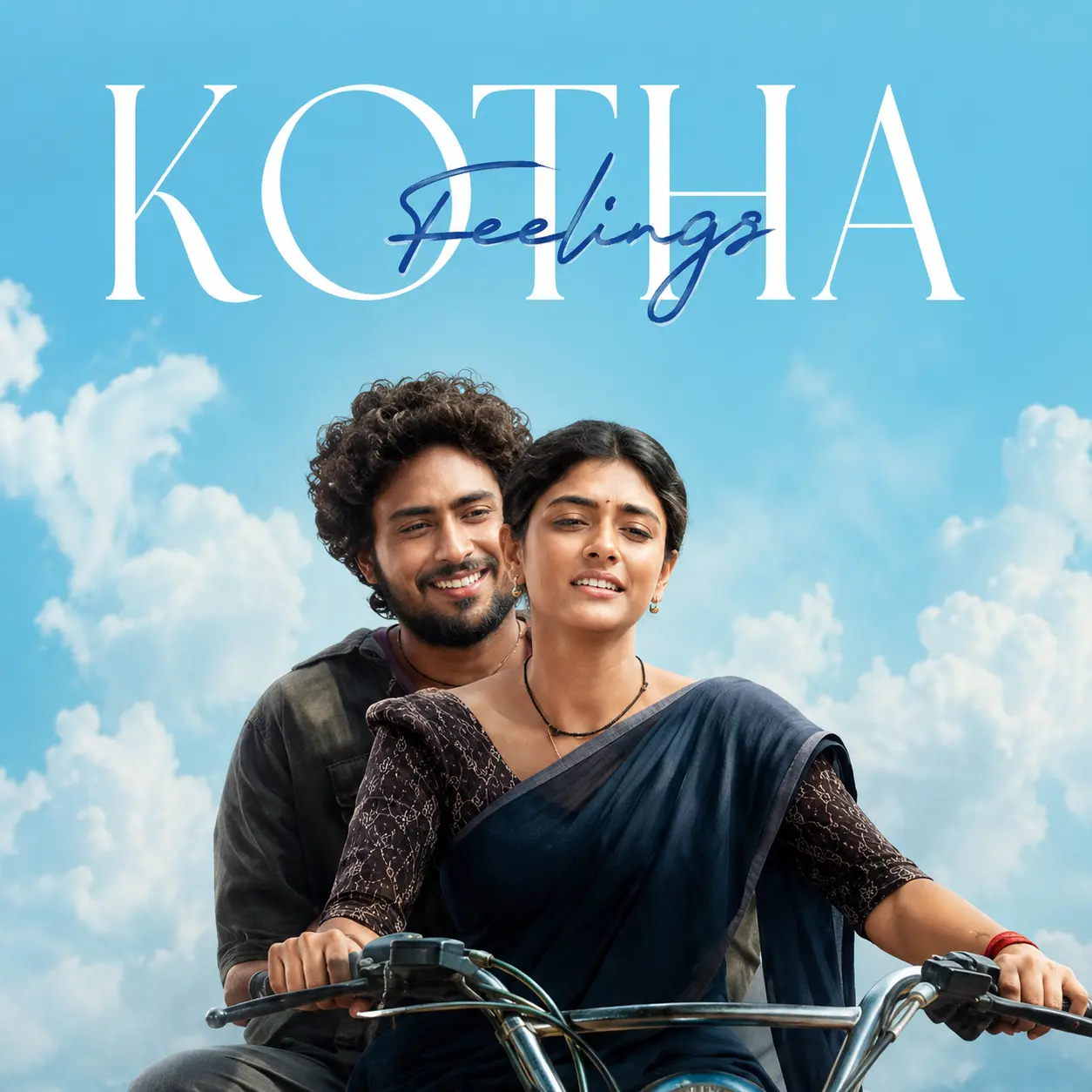
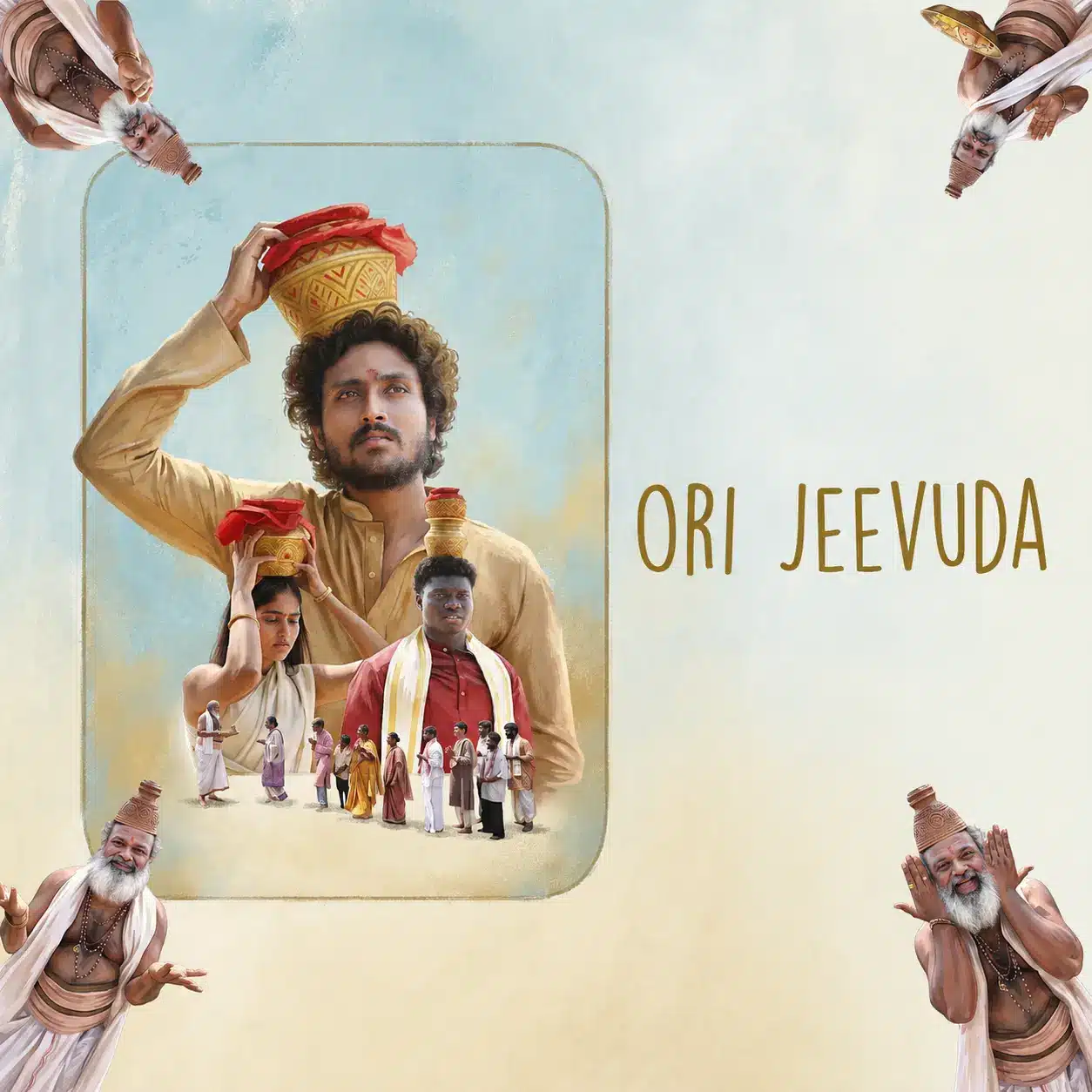
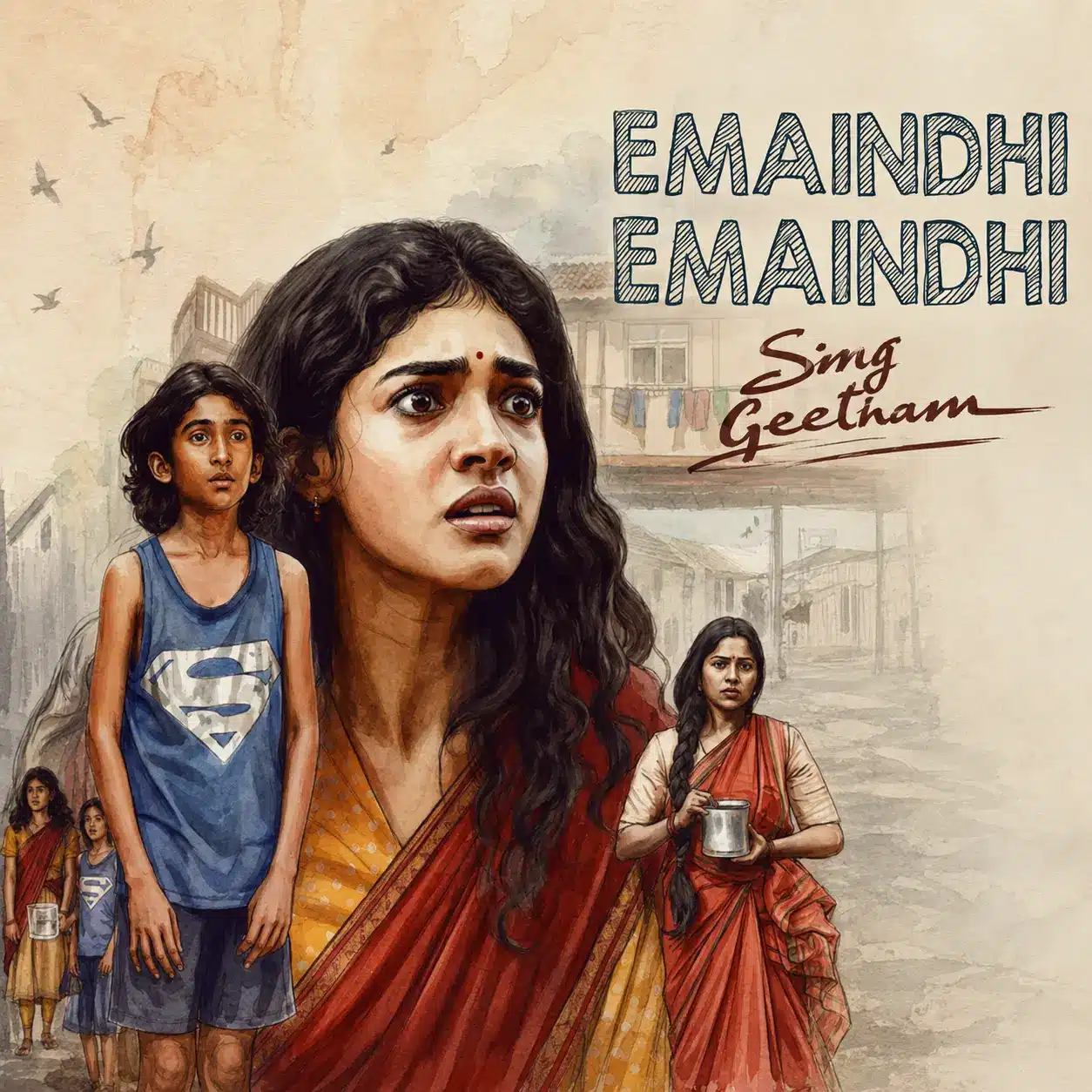
This some is completely different from the album where he written other songs – Kotha Feeling, Ori Jeevuda and Emaindi Emaindi– which explores the exact situation of the story but this songs gives the philosophy of life and its roots to nature.
The villagers do not protect nature because it is fashionable or because someone told them to. They protect it because they genuinely believe they are protecting themselves. The references to Shailajamma and Kubera add another layer to the narrative.
Then comes the most important shift in the entire song. A figure compared to Rahu enters the village. Sreemani’s choice of Rahu is brilliant because Rahu is not simply a villain. In mythology, Rahu represents eclipse, disruption, and desire that consumes without satisfaction. The moment this figure notices the gold hidden beneath the soil, the conflict begins. Until now, the villagers have looked at the land and seen life. He looks at the same land and sees wealth. The soil that nourishes crops becomes a container of gold. The earth that functions as a mother becomes an object to be exploited. That difference in perspective drives the entire emotional weight of the song.
One line that struck me particularly hard is the one where the outsider questions the villagers: “You treat the earth like your mother. What benefit does that bring you?” It sounds simple, but it perfectly captures a mindset that exists even today. Modern society often measures value through profit. If something cannot generate money, people begin questioning its worth.
The lyric exposes that thinking without directly preaching against it. The outsider offers a tempting alternative. Tear open the earth, extract the gold, and become rich. From his perspective, it is progress. From the villagers’ perspective, it is destruction.
The metaphor of ripping open the earth’s chest is probably the strongest image in the song. Sreemani could have simply said mining or excavation. Instead, he describes it as tearing open the body of a mother. That choice immediately changes how we perceive the act. The issue is no longer economic. It becomes emotional and moral. The audience is forced to ask whether prosperity is worth the cost when it requires harming the very thing that sustains life.
Shailajamma’s response is equally important. Her warning about cutting the branch on which one sits is not directed only at the villain. It is directed at everyone. Humanity often damages the very systems that support its existence and only realizes the consequences later.
The lyric works both within the film’s story and outside it. Whether it is forests, rivers, climate, or community values, the warning remains the same: destroy your foundation, and eventually you will destroy yourself.
Musically, Devi Sri Prasad understands exactly what the song needs. Rather than overwhelming the listener with grand orchestration, he allows the folk character of the song to carry the storytelling. The composition feels rooted in the soil it describes. There is a sense of community in the arrangement, as though the entire village is participating in the narration. Sinduri Vishal‘s voice contributes significantly to that atmosphere. Her singing feels less like a performance and more like someone preserving an oral tradition through song. The sincerity in her delivery helps the lyrics feel authentic rather than theatrical.
What makes this song memorable is that it ends with a sense of loss. The final lines suggest that a time has arrived when people begin seeing humans and plants as separate entities. That may sound small, but within the philosophy of the song, it represents a complete collapse of values. The tragedy is not merely that someone wants the gold beneath the earth. The tragedy is that people have started forgetting their connection to the earth itself.
In the end, this song is about much more than a village. It is about what happens when greed enters a place built on harmony. It asks whether prosperity should come at the cost of nature, community, and identity. Through simple folk storytelling, Sreemani delivers a message that feels surprisingly relevant today. And that is why “Vinara Vinara Chebutha Ivaranga” stays with you long after the music ends. It isn’t just telling the story of a village. It is asking what kind of world we want to leave behind when our own story is told.
This song features Nivetha Pethuraj and Rahul Ravindran as lead roles.
Song Credits
| Song | Vinara Vinara (YouTube) |
| Singer(s) | Sinduri Vishal |
| Lyricist(s) | Sri Mani |
| Director | Singeetham Srinivasa Rao |
| Producer | Nag Ashwin |
| Music Director | Devi Sri Prasad |
Explore more songs from Paatly