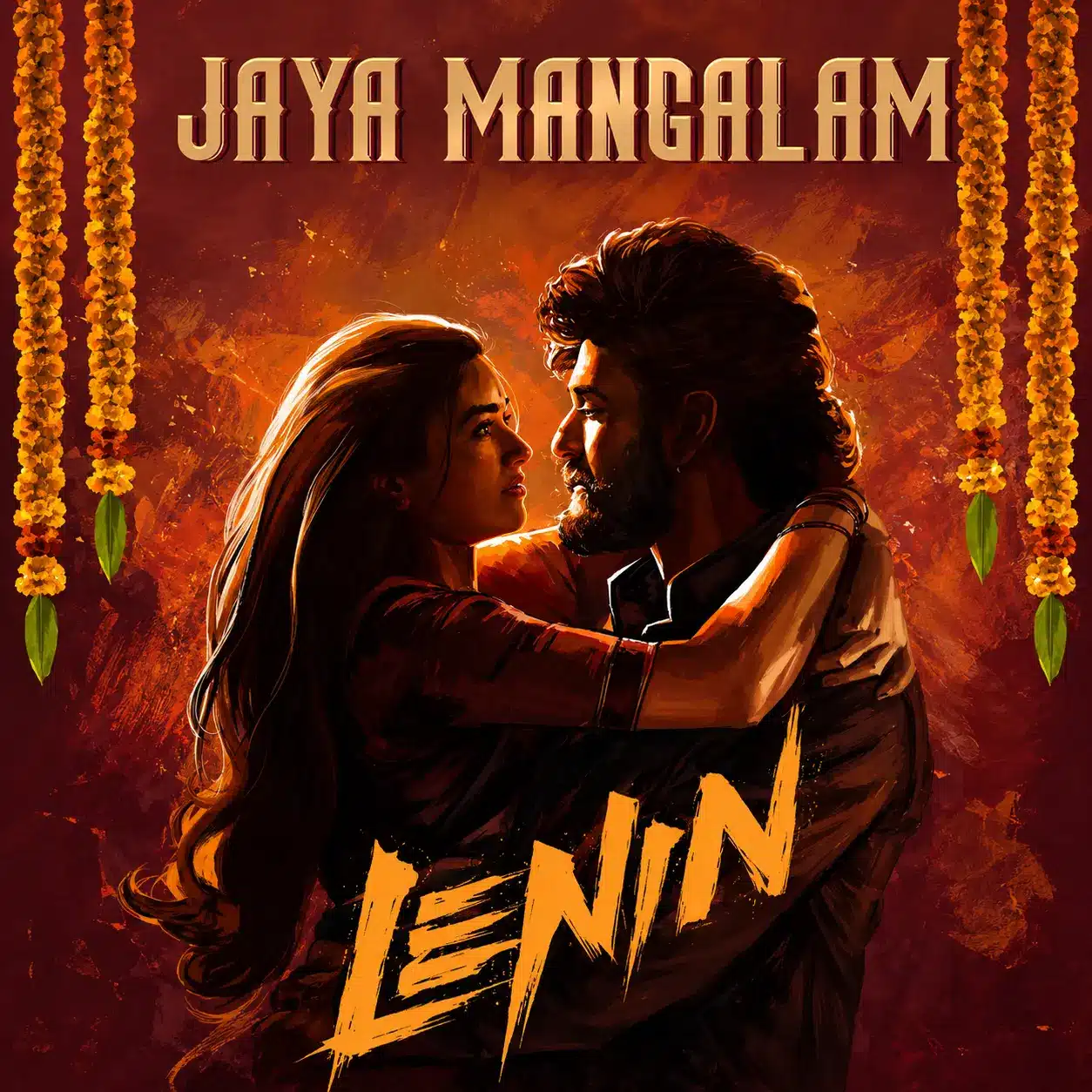
Jaya Mangalam Lyrics with English Translation
Bottu Kumkuma Betti
Applying the auspicious vermiliom mark,
Chetha Rokali Batti
holding the traditional grinding pestle in hand,
Paccha Pasupu Dancha
grinding the fresh turmeric,
Palle Tharali Vache
the whole village has come together.
Pelli Panulu Modalu Bettarayya
They started the wedding preparations
Raata Gunja Nela Naatarayya
and planted the sacred Raata Gunja.
Sakkanga Ee Thanthu Jarigipovalani
For the wedding ceremonies to proceed smoothly,
Mukkoti Devullaku Mokkarayya
prayers have been offered to all the gods.
Jaya Mangalam Nithya Subha Mangalam
May there always be victory and everlasting auspiciousness.
Jaya Mangalam Nithya Subha Mangalam
May there always be victory and everlasting auspiciousness.
Chuda Chakkani Varude Ammalaala
Look how handsome the groom is, dear ladies!
Yada Sikkani Marude Kommalala
A groom as brave as a young bull, dear girls!
Aadi Thappani Nadake Ammalaala
Look at his steady and confident walk, dear ladies.
Vedi Netthuti Putake Kommalala
Born with fiery courage, dear girls.
Nela Jabilli Ee Vadhuve Ammalaalaa
The bride shines like the moon resting upon the earth, dear ladies.
Sugunaalanni Koluve Kommalalaa
She is the very home of every good virtue, dear girls.
Nindu Noorellu Iddaru Vardhillaala
May both of them live together for a hundred full years.
Chi.. La.. Sow.. Alamelu Mangammaki
Blessings to Alamelu Mangamma, the graceful bride.
Chirunavvula Saami Seenayyaki
And to the ever-smiling Seenaiah.
Jarige Kamaneeya Kalyaname
What a beautiful wedding this is!
Jagame Ramaneeya Vaibhogame
A celebration beautiful enough for the whole world to admire.
Aaha Seenayya Kalyaname
Ah! What a wonderful wedding for Seenaiah!
Alamel Mangamma Vaibhogame
A grand celebration for Alamelu Mangamma!
Pandiraakula Meedhottu
Upon the sacred wedding canopy…
Pendli Peetala Meedhottu
Upon the wedding dais…
Pancha Bhootala Meedhottu
Before the five elements themselves…
Chittedukondalu Nuvvu Gatti Melam Kottu
O Chittedukondalu, let the drums thunder loudly!
Janaki Baayi Nuvvu Pilla Jadanetthi Pattu
Janaki Baayi, lift and arrange the bride’s beautiful braid.
Sirutha Kannula Saami Nuvvu Taalibottu Kattu
O bright-eyed groom, tie the sacred mangalsutra around her neck.
Atne Merupu Theega Mello Sakkili Gintha Pettu
Also, give her neck a playful tickle.
Ottesi Antunna Mummatiki
I promise this with all my heart.
Nenantu Puttindhe Nee Jantaki
I believe I was born only to be your life partner.
Vennella Needavutha Nee Baataki
I’ll be the moonlight that follows your path.
Vennanti Vasthunta Enaatiki
I’ll stand beside you forever.
Nalla Pusthalla Poosalle Naa Raaniki
For my queen, I’ll adorn her like the black beads of the sacred mangalsutra.
Pranaala Thodavtha Prathi Swaasaki
I’ll stand by you with every breath I take.
Nanu Nammi Vachina Pooboniki
For the delicate flower who trusted me and chose to walk into my life…
Aakaasham Andhista Arachethiki
I’ll place the very sky into the palm of your hand.
Nee Aaliga, Illaaliga
Whether as your beloved or as the lady of our home,
Cheyodhili Ponanta Janmaalaki
I’ll never let go of your hand, not even across lifetimes.
Aaha Seenayya Kalyaname
Ah! What a wonderful wedding for Seenaiah!
Alamel Mangamma Vaibhogame
A grand celebration for Alamelu Mangamma!
బొట్టు కుంకుమ బెట్టి
చేత రోకలి బట్టి
పచ్చ పసుపు దంచ
పల్లె తరలి వచ్చే
పెళ్లి పనులు మొదలు బెట్టారయ్యా
రాట గుంజ నేలా నాటారయ్య
సక్కంగా ఈ తంతు జరిగిపోవాలని
ముక్కోటి దేవుళ్ళకు మొక్కారయ్య
జయ మంగళం నిత్య శుభ మంగళం
జయ మంగళం నిత్య శుభ మంగళం
చూడా చక్కని వరుడే అమ్మాలాలా
యాడా సిక్కని మరుడే కొమ్మాలాలా
ఆడి తప్పని నడకే అమ్మాలాలా
వేడి నెత్తుటి పుటకే కొమ్మలాలా
నేల జాబిల్లి ఈ వధువే అమ్మలాలా
సుగుణాలన్నీ కొలువే కొమ్మలాలా
నిండు నూరేళ్ళు ఇద్దరు వర్ధిల్లాలా
చి.. ల.. సౌ.. అలమేలు మంగమ్మకి
చిరునవ్వుల సామి శీనయ్యకి
జరిగే కమనీయ కళ్యాణమే
జగమే రమణీయ వైభోగమే
ఆహా శీనయ్య కళ్యాణమే
అలమేల్ మంగమ్మ వైభోగమే
పందిరాకుల మీదోట్టు
పెండ్లి పీటల మీదోట్టు
పంచ భూతాల మీదోట్టు
చిట్టేడుకొండలు నువ్వు గట్టి మేళం కొట్టు
జానకి బాయి నువ్వు పిల్ల జడనెత్తి పట్టు
సిరుత కన్నుల సామి నువ్వు తాళిబొట్టు కట్టు
అట్నే మెరుపు తీగ మెళ్ళో సక్కిలి గింతా పెట్టు
ఒట్టేసి అంటున్న ముమ్మాటికి
నేనంటూ పుట్టిందే నీ జంటకి
వెన్నెల్ల నీడవుతా నీ బాటకి
వెన్నంటి వస్తుంటా ఏనాటికి
నల్లా పుస్తల్ల పూశాల్లే నా రాణికి
ప్రాణాల తోడవుతా ప్రతి శ్వాసకి
నను నమ్మి వచ్చిన పూబోణికి
ఆకాశం అందిస్తా అరచేతికి
నీ ఆలిగా, ఇల్లాలిగా
చెయ్యొదిలి పోనంటా జన్మాలకీ
ఆహా శీనయ్య కళ్యాణమే
అలమేల్ మంగమ్మ వైభోగమే
Bottu kumkuma betti
Chetha rokali batti
Paccha pasupu dancha
Palle tharali vache
Pelli panulu modalu bettarayya
Raata gunja nela naatarayya
Sakkanga ee thanthu jarigipovalani
Mukkoti devullaku mokkarayya
Jaya mangalam nithya subha mangalam
Jaya mangalam nithya subha mangalam
Chuda chakkani varude ammalaala
Yada sikkani marude kommalaala
Aadi thappani nadake ammalaala
Vedi netthuti putake kommalala
Nela jabilli ee vadhuve ammalaalaa
Sugunaalanni koluve kommalaalaa
Nindu noorellu iddaru vardhillaala
Chi.. la.. sow.. alamelu mangammaki
Chirunavvula saami seenayyaki
Jarige kamaneeya kalyaname
Jagame ramaneeya vaibhogame
Aaha seenayya kalyaname
Alamel mangamma vaibhogame
Pandiraakula meedhottu
Pendli peetala meedhottu
Pancha bhootala meedhottu
Chittedukondalu nuvvu gatti melam kottu
Janaki baayi nuvvu pilla jadanetthi pattu
Sirutha kannula saami nuvvu taalibottu kattu
Atne merupu theega mello sakkili gintha pettu
Ottesi antunna mummatiki
Nenantu puttindhe nee jantaki
Vennella needavutha nee baataki
Vennanti vasthunta enaatiki
Nalla pusthalla poosalle naa raaniki
Pranaala thodavtha prathi swaasaki
Nanu nammi vachina pooboniki
Aakaasham andhista arachethiki
Nee aaliga, illaaliga
Cheyodhili ponanta janmaalaki
Aaha seenayya kalyaname
Alamel mangamma vaibhogame
Discussing “Jaya Mangalam”
Nuances and words
Seenayya and Alamelu Mangamma:
They are referred to as Seenayya and Alamelu Mangamma because the story is set in the regions around Tirupati. The presiding deity of Tirupati is Lord Venkateswara Swamy, who is also known as Srinivasa. Devotees affectionately call him Seenayya, while his divine consort, Goddess Alamelu Mangamma (Padmavathi Devi), is lovingly referred to as Alamelu Mangamma. The song uses these names to portray the bride and groom as a divine couple, blessing their marriage with the grace of Lord Venkateswara and Goddess Alamelu Mangamma.
Raata Gunja (Pandiri Raata):
is a traditional Telugu pre-wedding ritual in which a sacred wooden post is ceremonially planted near the wedding venue or the family’s home. It symbolizes the formal commencement of the wedding ceremonies and invokes blessings for the marriage to proceed smoothly and auspiciously.
“Chi. La. Sow.” (చి.ల.సౌ.)
is a traditional Telugu honorific abbreviation used in wedding invitations for an unmarried young woman (Chiranjeevi Lakshmi Sowbhagyavathi).
Chittedukondalu:
The exact reference is open to interpretation. It may refer to the hills around a village named Chittedu, or it could be the name or nickname of a person, possibly one of the wedding band players being called upon to play louder during the celebrations
Nalla Pusthalu
Nalla Pusthalu are the black beads in a Telugu mangalsutra, symbolizing a married woman’s well-being and the husband’s long life.
Poobani
Pooboni (or Pooboni/Pooboni) is an affectionate village expression meaning a delicate flower-like girl. Here, the groom is referring to his bride, acknowledging that she has left her parents’ home and entrusted her entire future to him.
Aali and Illalu
Aali means beloved wife, while Illaalu specifically means the woman who becomes the homemaker after marriage.
Premise of the song
“Jaya Mangalam” is the melody that many listeners had been eagerly waiting for from the Lenin album. This song takes the soundtrack in a completely different direction by celebrating the beauty of a traditional Telugu village wedding. Composed by Thaman S, written by Saraswati Putra Ramajogayya Sastry, and sung by S. P. Charan, Kumara Vagdevi, and Vijaya Lakshmi, the song embraces the customs, rituals, and dialect of the Tirupati and Nellore regions with remarkable authenticity.
Jaya Mangalam feels like stepping into a real village celebration. The lyrics begin with familiar pre-wedding preparations such as applying kumkum, grinding fresh turmeric, and planting the Raata Gunja, the sacred ceremonial post that traditionally marks the formal beginning of Telugu wedding festivities. These are not random cultural references. They are rituals that generations of Telugu families continue to cherish, giving the song a genuine sense of tradition instead of simply using weddings as a colorful backdrop.
One of the most fascinating aspects of the song is its regional identity. The story of Lenin unfolds around the Tirupati and Nellore belt, and Ramajogayya Sastry reflects that beautifully through the local dialect and expressions. Instead of using standard Telugu, the lyrics carry the warmth and simplicity of everyday village conversations. Words such as “ammalaala,” “kommalala,” and many of the conversational phrases immediately establish the geographical setting, making the song feel rooted in the culture of Rayalaseema and southern Andhra Pradesh.
The references to Seenayya and Alamelu Mangamma further strengthen this connection. Around Tirupati, devotees affectionately refer to Lord Venkateswara Swamy (Srinivasa) as Seenayya, while his consort is lovingly called Alamelu Mangamma. By comparing the bride and groom to this divine couple, the lyrics elevate the wedding into something sacred, expressing the wish that their married life be blessed with the same harmony and prosperity.
Musically, Thaman S deliberately keeps the orchestration rooted in folk melodies instead of overwhelming the composition with heavy arrangements. Traditional percussion, festive rhythms, and chorus vocals recreate the atmosphere of a village wedding where every family member and neighbor joins the celebration. The composition balances devotional warmth with joyful festivity, allowing the cultural richness of the lyrics to remain at the forefront.
Among the singers, Vijaya Lakshmi deserves special appreciation. Her naturally rustic delivery and authentic Rayalaseema pronunciation add an irreplaceable flavor to the song. Rather than sounding polished for the sake of commercial appeal, her voice carries the texture of someone who belongs to the very culture the song represents. Every phrase she sings feels organic, preserving the dialect’s unique rhythm and pronunciation. That authenticity gives Jaya Mangalam much of its emotional charm and makes the celebration feel genuinely local rather than staged.
FAQs of “Jaya Mangalam”
“Jaya Mangalam” is from the Telugu movie Lenin.
The music is composed by Thaman S, who blends traditional folk elements with a soulful melody to recreate the atmosphere of a village wedding.
The song is sung by S. P. Charan, Kumara Vagdevi, and Vijaya Lakshmi, with each singer contributing to its festive and traditional atmosphere.
The lyrics are written by Saraswati Putra Ramajogayya Sastry.
“Jaya Mangalam” is a traditional blessing wishing the bride and groom a life filled with victory, prosperity, happiness, and everlasting auspiciousness. It is commonly heard during Hindu wedding ceremonies.
The story is set around the Tirupati region, where Lord Venkateswara Swamy (Srinivasa) is affectionately called Seenayya, and his consort is lovingly known as Alamelu Mangamma. The lyrics compare the bride and groom to this divine couple, wishing them a blessed married life.
Raata Gunja (also called Pandiri Raata) is a traditional Telugu pre-wedding ritual. A sacred wooden post is ceremonially planted to mark the official beginning of the wedding celebrations and to invoke blessings for the marriage.
Jaya Mangalam was released under T- Series Telugu
Credits
Singer(s)
Composer
Lyricist(s)
Album
Label
T – Series Telugu